How to Judge a Countertop Fabricator and Installer
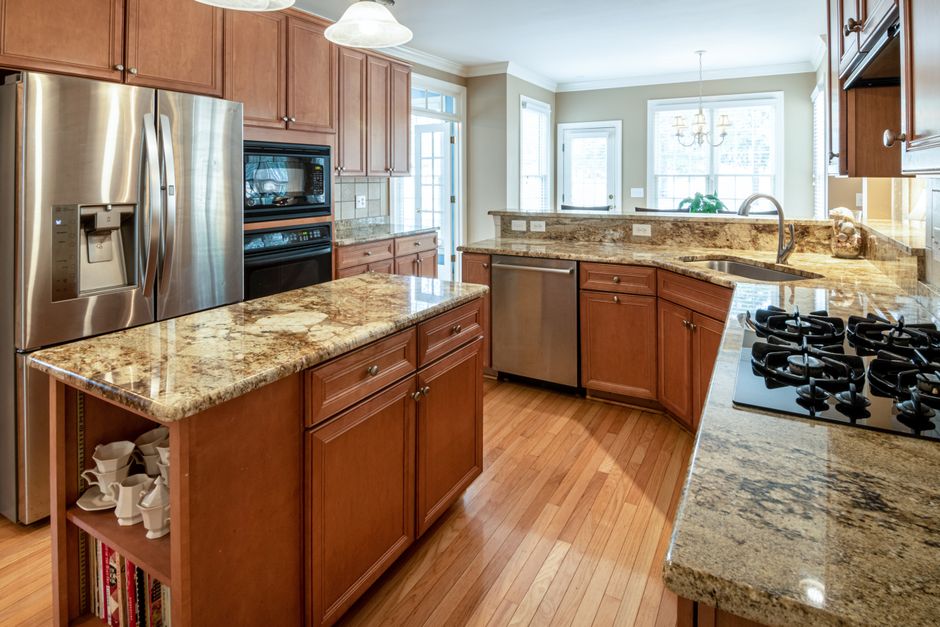
Walk the kitchen with a four foot level and a pencil before anyone talks about stone, and mark every wall that leans or bows. The notes at countertops madison andover mn start from that same place, because countertops in Madison, WI houses rarely meet square corners, and the choice of who cuts them matters more than the color on the sample board.
Walls That Are Not Straight
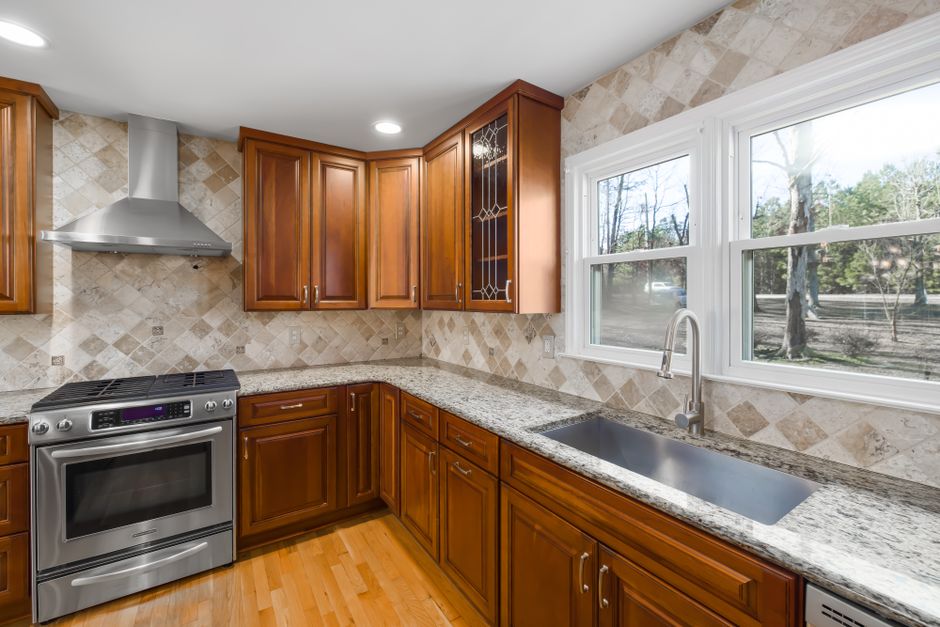
Older houses around Lake Mendota and near the Wisconsin State Capitol settled long ago. Walls run out of plumb and corners drift off ninety degrees. A skilled installer scribes the back edge of the top to the wall, or plans a backsplash that covers uneven gaps. Ask which of the two is planned, and look at the wall before templating, not after.
See the Actual Slab
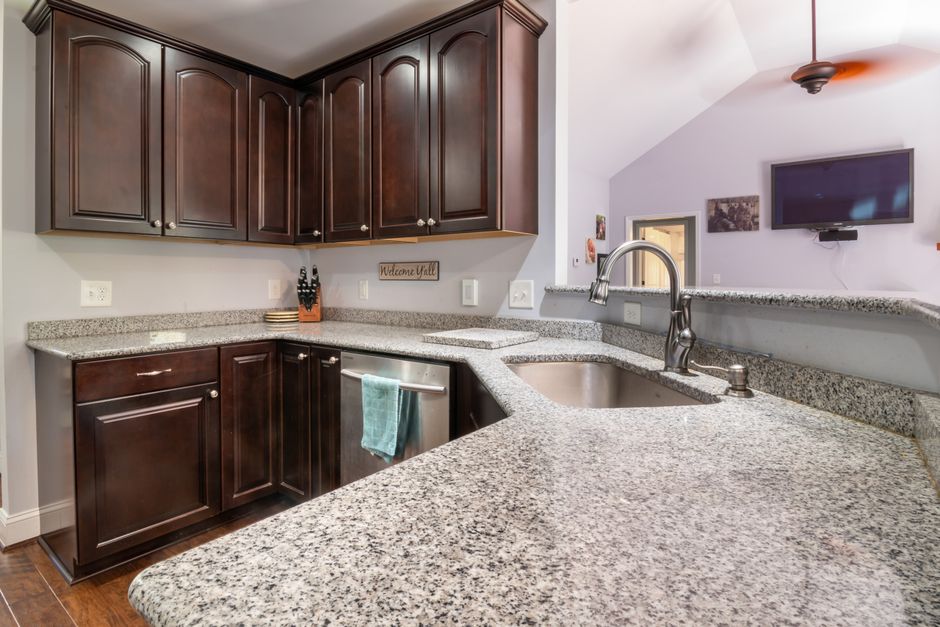
Natural stone varies from slab to slab, even within one named color. Granite, quartzite, and marble all carry veining and mineral movement that a small sample cannot show. Ask to view the actual slab that will be cut. Quartz is more consistent, but a named color still deserves a look at the real piece. Slabs sharing a color name are not identical.
Layout and Seam Placement
Ask to see the seam locations and the layout on the slab before cutting begins. Good seam placement keeps joints away from the sink cutout and out of the most visible runs, and it lines the veining up across the joint. A layout drawn on paper or marked on the slab costs nothing to review. A cut piece cannot be changed.
Overhangs and Sink Support
Ask how an overhang past the cabinets will be supported. Larger overhangs need corbels, brackets, or concealed steel supports, and a thicker slab does not remove that question. An undermount sink needs the same scrutiny. The connection carries the weight of the sink, the water, and the dishes, so ask how it will be attached and what holds it.
Scope in Writing and Dust
Get a written scope listing the edge profile, cutouts, sink mounting, backsplash, and removal of the old tops. Name the edge profile exactly, whether eased edge, bullnose, or waterfall edge, since each prices and cuts differently. Then ask how dust will be controlled if any cutting or grinding must happen inside the home. Wet cutting, plastic sheeting, and a vacuum at the grinder are the usual answers, and a vague reply tells you how the job will go.