Common Countertop Problems and Their Causes
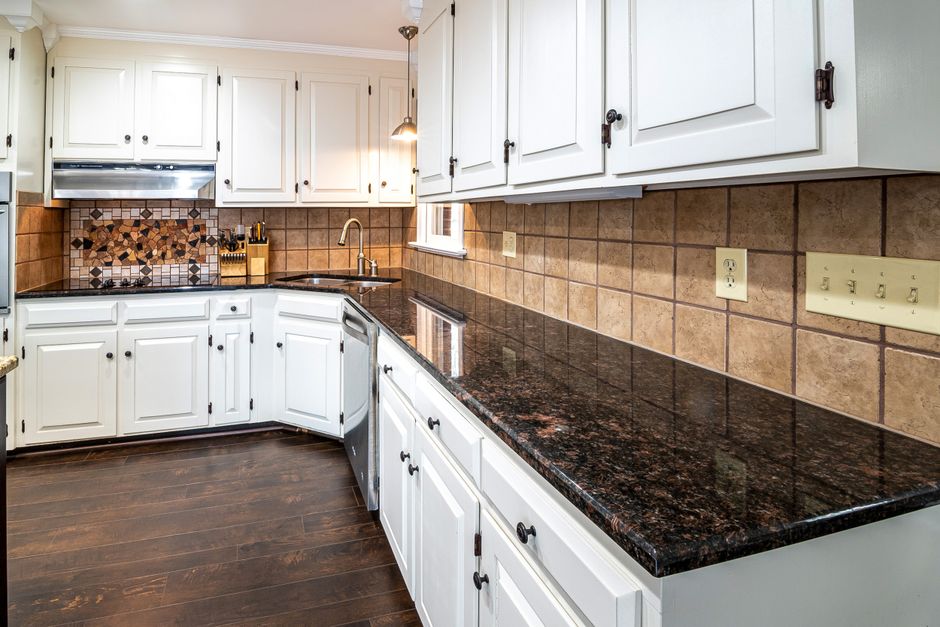
Two marks on a countertop in Madison, WI can look the same from standing height, yet one is a stain and the other is lost polish. The cause decides the fix, and the order of checks laid out here is closer to what gets logged at countertops madison andover mn than to the usual advice of scrubbing harder. Most problems show up first as a change in color or sheen near the sink, the range, or a joint.
Dull spots on marble and limestone
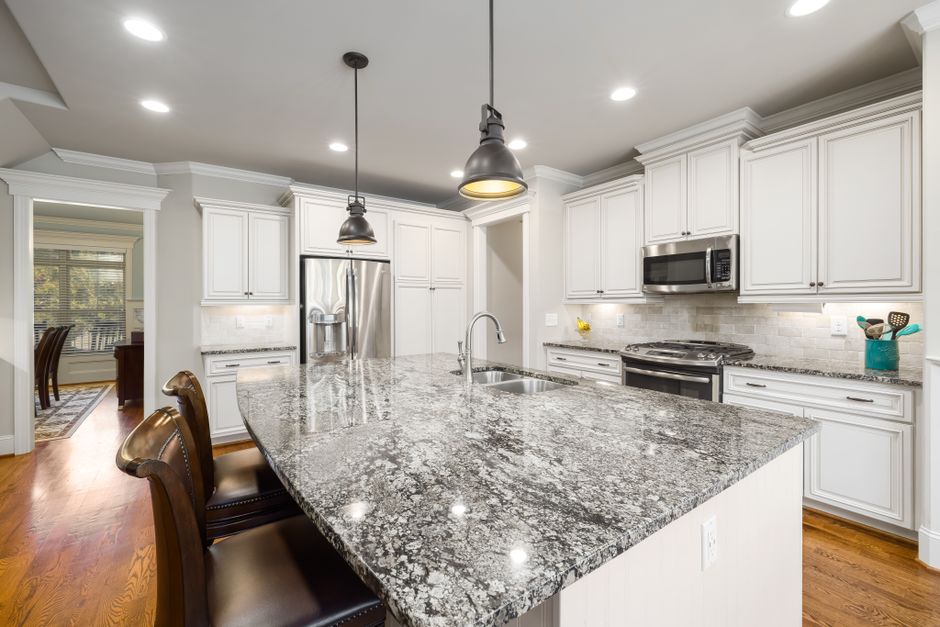
A dull patch on marble or limestone is usually acid etching, not a stain. Lemon juice, vinegar, and wine all eat the polished surface and leave a matte spot that sometimes shows a pale outline. Cleaning does nothing because nothing is sitting on the stone. The surface has to be repolished. Bleach does not remove etch marks, and resealing does not repair them, since a sealer only slows liquid from soaking in.
Dark spots and oil in granite
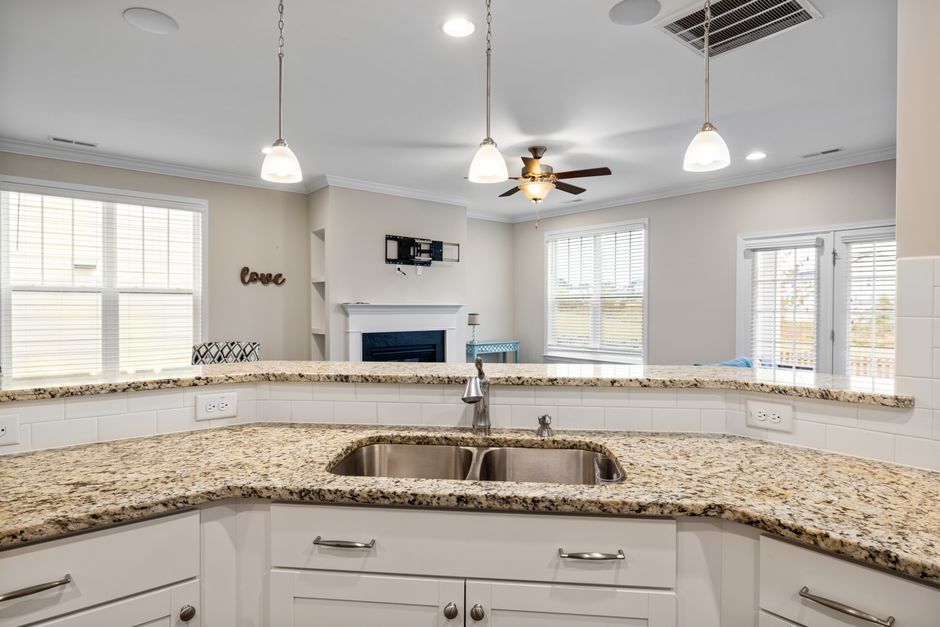
A dark spot on granite that fades over a day or two is often absorbed water leaving the stone. Wait before treating it. Oil is different. In porous stone, an oil stain can sometimes be drawn out with a poultice left on the spot, and it may take more than one application. Dark patches that stay put after several days are worth a closer look, because they are probably not water.
Mineral film around faucets
Hard tap water leaves a chalky film around faucet bases and along the sink rim. The acidic descalers sold to remove it will also etch marble and limestone, so a clean faucet can come with a dull ring on the stone. On granite or quartz the film is less risky to remove, but a gentle approach still beats a strong one. Wiping the splash dry each day prevents most of the buildup.
Cracks and lifting seams
Cracks near a sink cutout often trace to sharp inside corners, poor support under the stone, or impact on the narrow strip in front of the sink. A crack at a cutout corner points back to the template and the cut radius. It does not prove a fabrication defect, because a heavy pot dropped on that strip can do the same. A seam that lifts or opens often follows cabinets that settled or were not level at installation. Check the cabinet run with a long level before blaming the seam placement or the adhesive. An overhang with no bracket behind it can also flex the slab and pull a joint apart.
Bubbling laminate and yellowed quartz
Laminate that bubbles near a sink usually has water reaching the core through a failed seam or edge. The swelling is in the substrate, so pressing the surface flat only hides it. Quartz near a cooktop can yellow or show pale rings from heat damage to the resin binder. Hot pans should go on trivets, not on the stone. Once the resin has discolored, the damage is in the material and does not wipe off.